Preventing Outages Before They Happen: The Utility Playbook Is Changing
For Key Accounts, Prevention is Better Than Speed
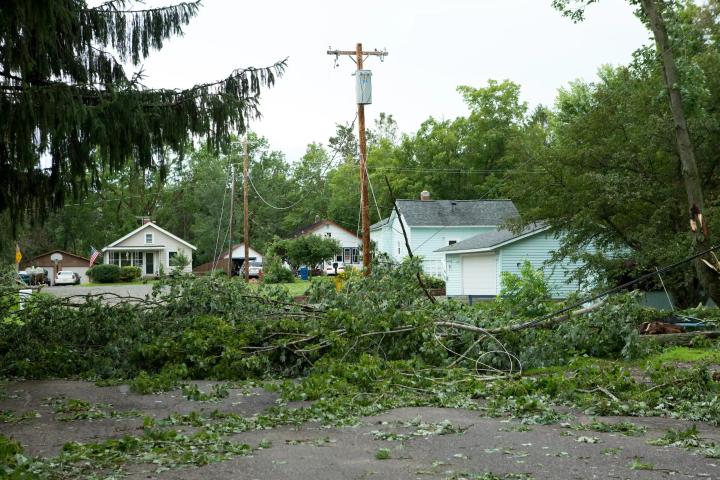
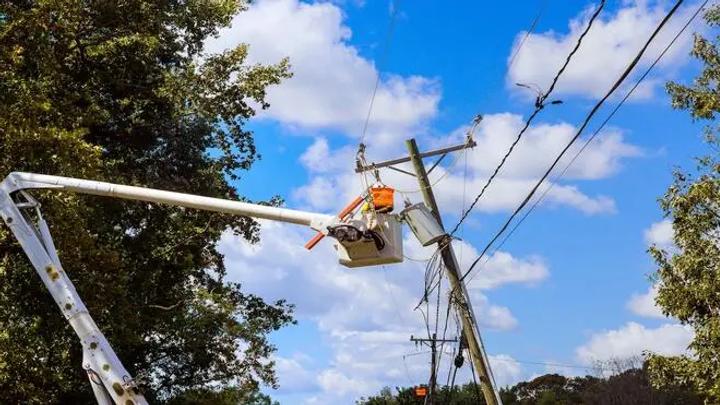
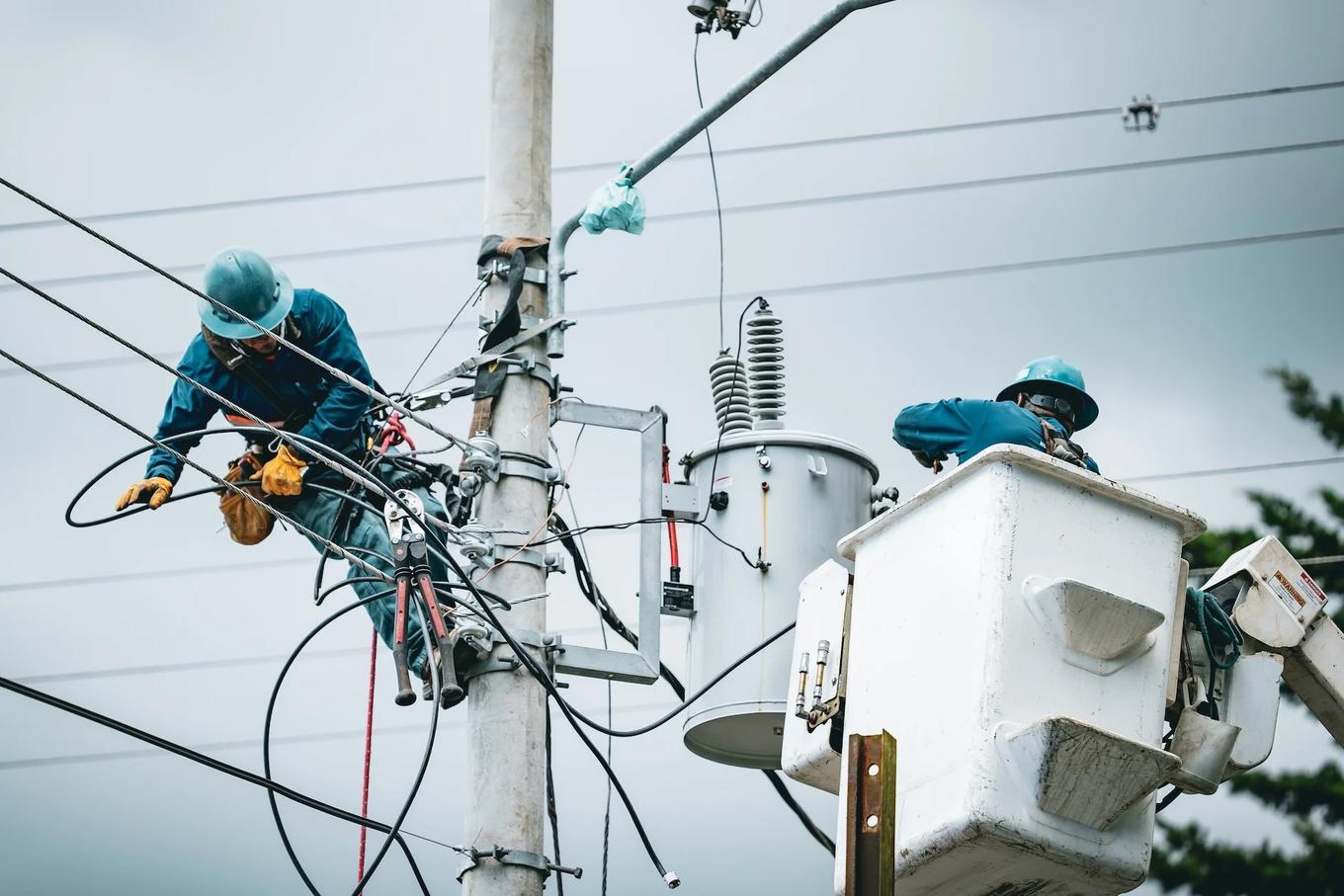
Every utility has an outage response playbook. Dispatch a crew, restore service, log the event, move on. It is a system built for speed, and utilities have gotten very good at it.
The problem is that response speed is no longer the only metric. For many commercial and industrial customers, momentary interruptions can halt processes or damage sensitive electronic equipment, costing far more than sustained outages.
The consequences extend well beyond the restoration period. Regulatory scrutiny is intensifying. Large customers are demanding reliability guarantees. With hospitals, water systems, and industrial operations all depending on uninterrupted power, the cost of a single failure has never been higher.
Responding quickly still matters. But preventing the outage in the first place is where the real value is.
The Reactive Model is Shifting
The traditional approach to distribution grid reliability was built around a simple assumption: failures are unpredictable, so you invest in restoration capacity and optimize for speed. When something breaks, you fix it as fast as possible.
That model made sense when utilities had limited visibility into the distribution infrastructure before a failure occurred. That has changed with advanced monitoring of distribution transformers and predictive analytics.
The data needed to detect problems before failure, including thermal overload, voltage instability, power quality anomalies, harmonic disturbances, and early signs of equipment stress, is now available in real time.
There’s a Better Way: Proactive Monitoring
Real-time distribution transformer monitoring surfaces the conditions that precede failure: thermal overload, voltage instability, power quality anomalies, and load patterns that match known failure signatures. With that data, utilities can act before failure occurs rather than after it.
The operational impact compounds quickly. Fewer emergency dispatches. Fewer unplanned outages affecting critical customers, increasing customer satisfaction. Longer asset life through condition-based maintenance rather than run-to-fail replacement cycles. And capital planning that reflects actual grid conditions rather than age-based assumptions.
Proof in the Field
Consider a large municipal utility serving one of the country’s most demanding commercial landscapes: a major international airport, world-class entertainment complexes, medical centers, and tens of thousands of hotel rooms, all within a single service territory.
When a plastics manufacturing customer added a high-load process without notifying the utility, the result was voltage sags, blown fuses, and rising outages. With Ubicquia’s UbiGrid™DTM+ monitoring the transformers serving that facility, crews diagnosed an outage on a holiday weekend remotely in minutes and restored service with precision rather than guesswork.
A separate incident tells an equally important story. When a large distribution center reported breaker trips and blamed utility voltage, UbiGrid™DTM+ produced seven days of voltage history showing stable, balanced service delivery. What started as a potential conflict became a collaborative conversation with the customer’s own engineers. The data did not just solve the problem. It protected the relationship.
How Ubicquia Fits In
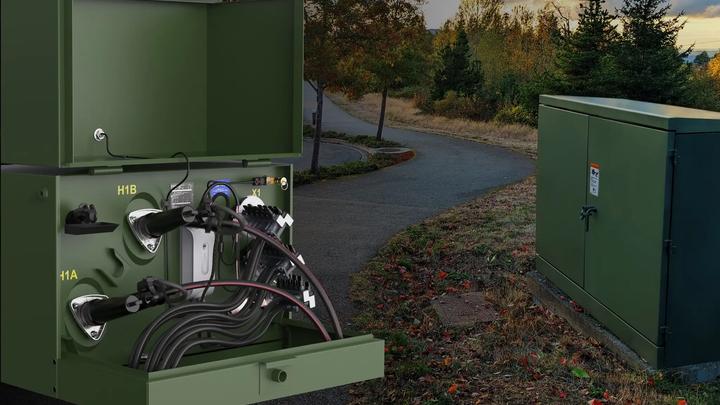
The UbiGrid™DTM+ solution solution delivers continuous monitoring of distribution transformers, capturing real-time data to enable proactive grid-edge management. That data feeds directly into Ubicquia’s UbiVu Ubicquia’s grid intelligence platform, where AI-driven diagnostics translate sensor data into prioritized, actionable alerts.
Utilities do not get a dashboard full of noise. They get the insights they need to act at the asset level, where it matters most.
The Playbook Is Changing
The utilities that will lead in reliability over the next decade are not necessarily the ones with the fastest restoration crews. They are the ones who prevent outages from happening in the first place.
That shift starts with visibility.