Distribution Visibility Is the New Reliability Standard
The Distribution Grid’s Visibility Gap
SAIDI and SAIFI are the scorecards every utility lives by. Regulators watch them. Customers feel them. Earnings calls reference them.
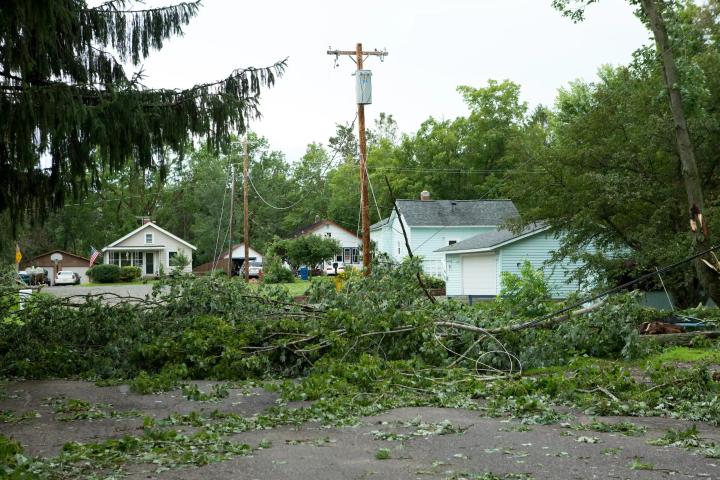
But here is the uncomfortable truth: most utilities are being graded on outcomes they cannot see coming, especially in the distribution infrastructure, where over 90% of outages occur.
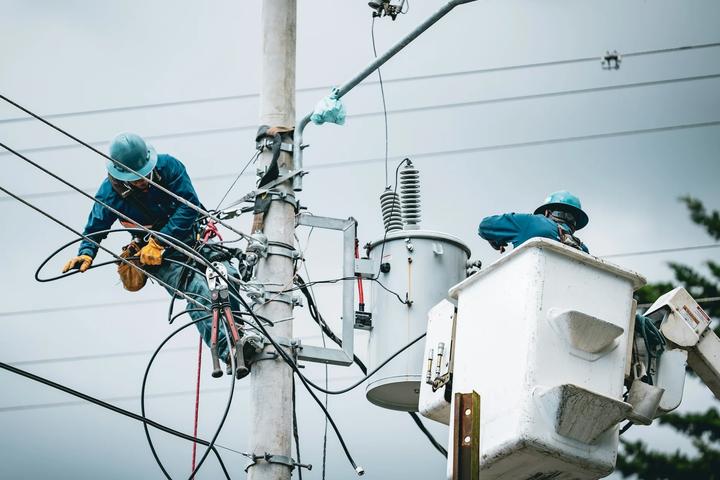
Today’s distribution infrastructure has a visibility gap. Distribution transformers operate largely in silence, with no alerts when voltage starts drifting, no flags when load patterns signal impending failure, and no early warning before a transformer serving a hospital or water treatment facility goes down.
Most utilities find out something went wrong the same way their customers do. The lights go out.
Why Run-to-Fail Is No Longer a Strategy
For decades, run-to-fail was the default approach to distribution transformer management. It was designed for a different era, with a relatively young fleet. That calculus changes as the fleet ages, and real-time visibility into transformer health is now a practical reality.
With real-time condition-based monitoring and predictive analytics, utilities can identify at-risk transformers before they fail, particularly on 3-phase loads serving critical customers.
A failure serving a regional hospital, a water treatment plant, or a large industrial operation carries financial exposure, regulatory implications, and community impact that demand a better answer than waiting for the asset to fail.
What Real-Time Monitoring Changes
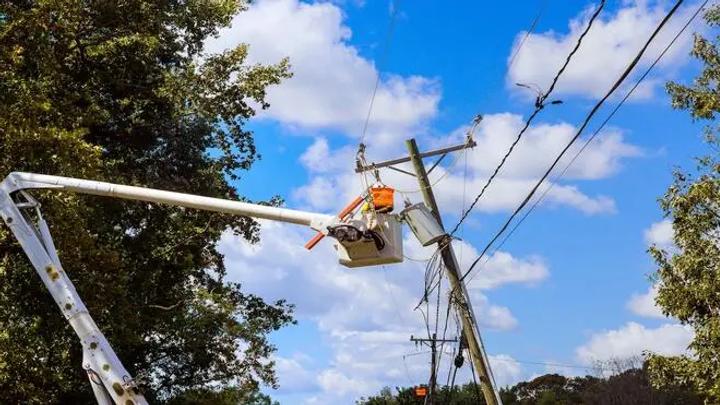
Modern distribution transformer monitoring brings visibility to the edge of the distribution network, continuously monitoring thermal load trends, voltage stability, power quality, and early failure signatures, enabling a shift from reacting to outages to preventing them. When a transformer serving a critical facility shows signs of stress on a hot August afternoon, crews can act before customers lose power.
Proof in the Field
Extended outages at a medical facility are not an operational inconvenience. They are a patient safety issue. The cooperative deployed Ubicquia’s UbiGrid™DTM+ to continuously monitor the transformers serving the facility, tracking thermal stress, load cycles, and aging indicators in real time. The result was a shift from reactive replacement to condition-based maintenance, enabling the ordering of spare transformers before problems escalated, rather than after a failure forced the issue.
For a cooperative managing thousands of miles of line with a lean team, that kind of advance warning does not just protect one critical customer. It multiplies the effectiveness of every crew member on the roster.
What the Metrics Actually Show
The outcomes show up where they count. Truck rolls drop, and O&M costs are reduced because crews are dispatched with confirmed fault data rather than working from customer calls. Capital planning improves because asset replacement decisions are driven by actual condition data rather than age-based assumptions.
How Ubicquia Fits In
The UbiGrid™DTM+ solution continuously monitors distribution transformers, feeding real-time data into Ubicquia’s UbiVu grid intelligence platform, where AI-driven diagnostics surface actionable alerts rather than raw data noise.
The result is grid intelligence that is operational in weeks, not years, and visibility that scales across the entire distribution network.
Ready to See What Your Grid Is Telling You?
If your reliability metrics are not improving, the answer is usually not busier crews. It is more visibility.