From Reactive to Predictive: The Future of Smart Street Lighting
How AI-driven streetlight controls are replacing run-to-fail maintenance with always-on visibility — block by block, fixture by fixture.
The Visibility Gap on Every Block
Cities are under increasing pressure to do more with less – aging infrastructure, rising energy costs, and growing public-safety expectations. Reactive streetlight management -- waiting for a complaint, dispatch a crew, investigate, repair – simply isn’t up to the task of serving the modern smart city.
Waiting until residents call in causes outages to drag on while trust erodes and crews waste truck rolls trying to find the problem fixture and pinpoint the source of the issue.
Why Reactive Maintenance Is No Longer Sustainable
LED upgrades changed the equation. Fixtures are more energy efficient, but they fail differently — flickering, over lighting, and burning into the day.
Cities that rely on resident complaints and night-driving patrols are paying twice — once for the truck roll, and again for the damage to community trust when neighborhoods stay dark.
What Predictive Lighting Actually Looks Like
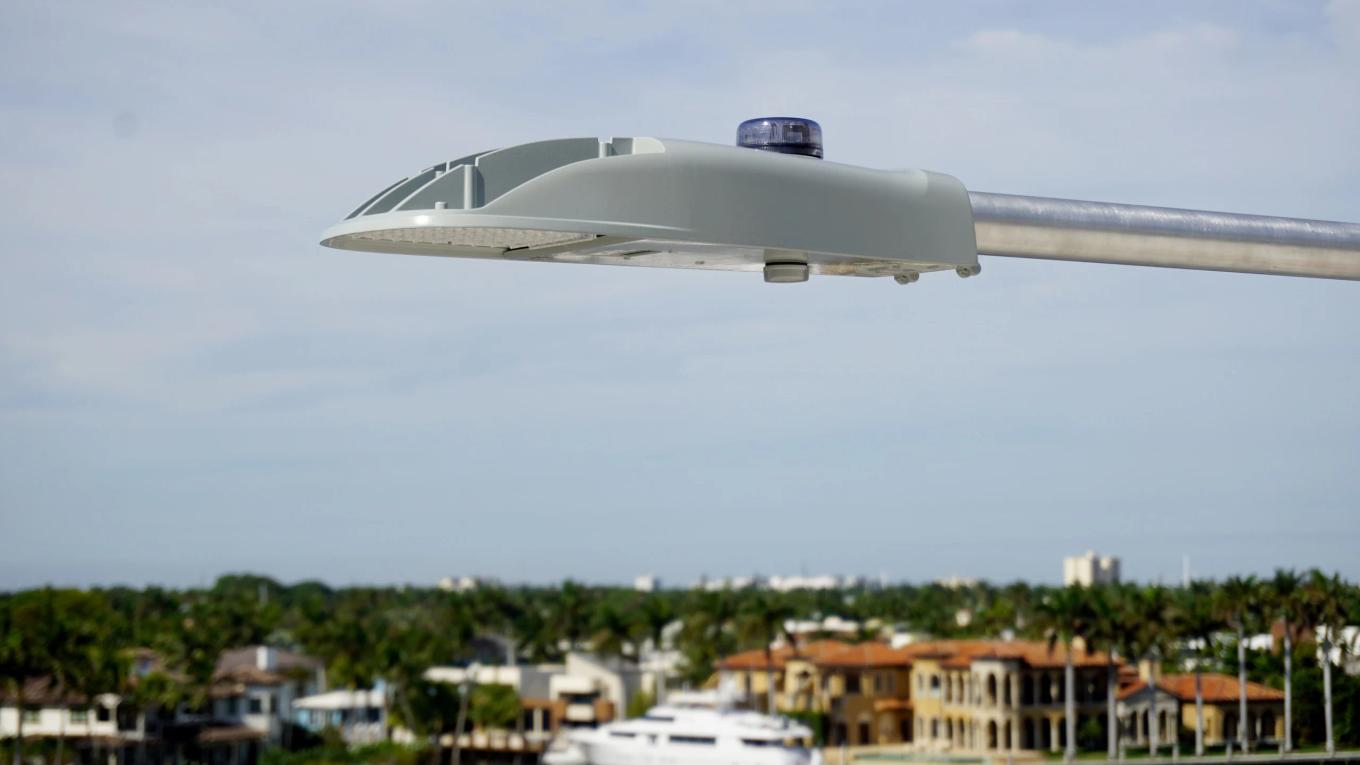
Modern smart street lighting transforms each pole into a data node — providing real-time visibility into outages, voltage irregularities, and asset health. Instead of relying on citizen complaints, cities can identify and resolve issues before they escalate.
That shift from reactive maintenance to predictive operations unlocks measurable impact:
- Reduced truck rolls through remote diagnostics and one-and-done repair visits
- Faster restoration times with automatically created work orders
- Extended fixture lifespan as light output is corrected, and maintenance needs are met
- Improved pedestrian, cyclist, and roadway safety from reliability across the network
What the Metrics Show
Predictive lighting moves the needle on numbers operators care about. Truck rolls drop by up to 50% as crews stop chasing phantom outages and start arriving with the right part on the first visit. Energy consumption drops up to 67% through automated dimming and scheduling.
Those gains compound. A network that reports on itself becomes a network the council can trust, the utility can audit, and the community can see — including in dark-sky communities, where dimming policy can be enforced fixture by fixture rather than as a blunt city-wide rule.
How Ubicquia Helps Cities Unlock Savings
Ubicquia builds the platform that turns existing streetlight infrastructure into a live operating system for the city. UbiCell® delivers the lighting controls and edge data. UbiHub® extends the same pole into safety, traffic, and connectivity workloads when the use case calls for it. And the platform is designed to coexist with the assets utilities and cities already own — no rip-and-replace, no second network, no new construction.
When cities gain 360-degree visibility, lighting becomes infrastructure intelligence.