Substation Monitoring Has Changed and So Have the Risks
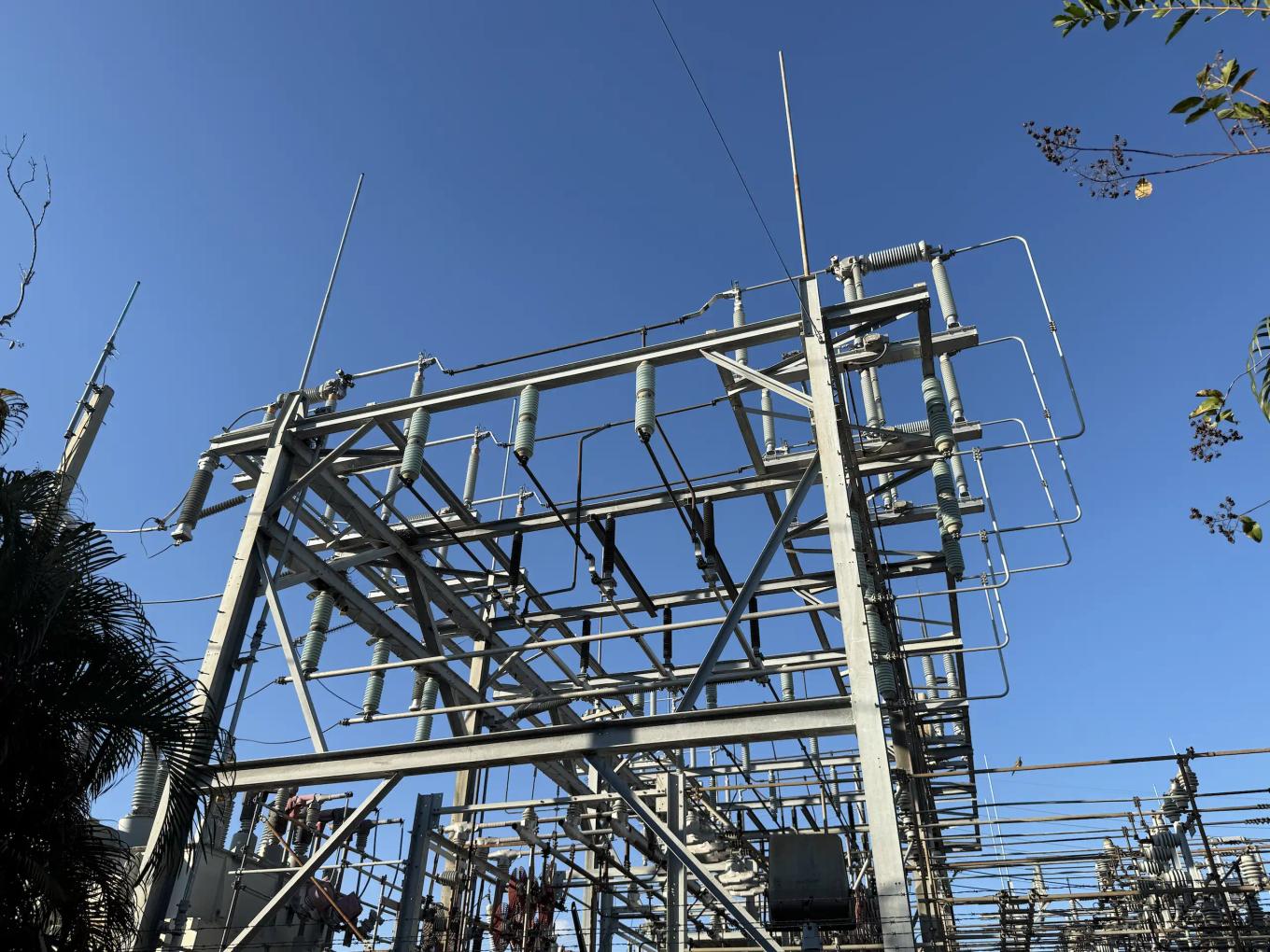
Substations were built to run reliably with limited on-site presence. Spread across wide service territories; these critical assets do their job quietly in the background, often unmanned for long stretches of time.
But the reality surrounding substations is changing.
Today, utilities face a broader range of physical and environmental challenges that can affect reliability, safety, and response speed. Vandalism. Suspicious activity. Wildlife intrusion. Overheating equipment. Unfamiliar objects in the yard. These issues don’t always begin as major events but they can escalate quickly.
Traditional operational systems remain essential for understanding electrical performance. Yet many utilities still lack visibility into what’s happening physically inside and around the substation where many risks originate.
That’s why substation monitoring is evolving from basic checks and isolated devices into a more proactive approach built on physical situational awareness.
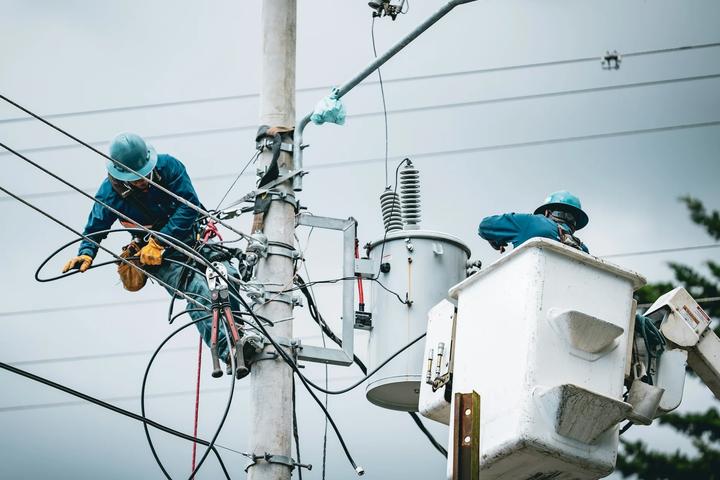
Utilities are under enormous pressure to restore power quickly, safely, and efficiently. But that can’t happen if crews don’t have the right tools, assignments, or situational awareness. And to make things even harder, crews aren’t sitting still. They’re constantly on the move, knocking out jobs, getting reassigned, rerouted, or regrouped. What was accurate an hour ago might be out of date now.
Schedule a meeting with one of our monitoring professionals
Seeing Risk Before It Escalates
Many substation incidents don’t appear out of nowhere.
A fence breach may begin with repeated loitering. Wildlife intrusion can follow a pattern. Abnormal heat may build slowly before it becomes an outage or a safety hazard. Even small changes like objects appearing where they don’t belong, unusual sounds, or movement in restricted areas can be early indicators of developing risk.
Without physical visibility, these warning signs can go unnoticed until there’s already a service impact. At that point, utilities may know something is wrong, but still lack clarity on:
- What triggered the issue
- How conditions evolved
- What crews will face when they arrive on site
Improved situational awareness changes that. It helps utilities recognize emerging conditions earlier and respond with more precision—supporting targeted maintenance, better planning, and safer decisions.
Why Physical Visibility Matters
Recent industry incidents have reinforced a hard truth: physical threats to substations can scale rapidly.
In some events, a single incident has disrupted service to more than 100,000 customers. In others, animal intrusions inside a substation fence line have caused outages affecting thousands at once.
The takeaway is not that substations are failing.
It’s that small physical events can have outsized operational consequences when they occur at critical infrastructure.
The challenge isn’t a lack of operational data.
The challenge is limited insight into the physical environment where many of these events originate.
Schedule a meeting with one of our monitoring professionals
When Timing Matters Most
Not every situation offers early warning.
Some events demand immediate awareness like forced entry, gunfire, fire risk, or sudden equipment failure. In those moments, uncertainty is costly.
Timely alerts, paired with visual and contextual insight, help utilities:
- Assess severity faster
- Coordinate response confidently
- Determine whether to dispatch security, operations, or emergency response
- Improve crew safety and preparedness
- Reduce restoration time and confusion during high-pressure events
Even a short head start can make the difference between reacting and managing.
Substation Monitoring as an Operational Capability (Not Just a Device)
More utilities are starting to view substation monitoring not as a standalone camera or sensor, but as an ongoing operational capability.
A modern approach combines intelligent edge technology, analytics, and continuous oversight to support real-time awareness without creating unnecessary workload.
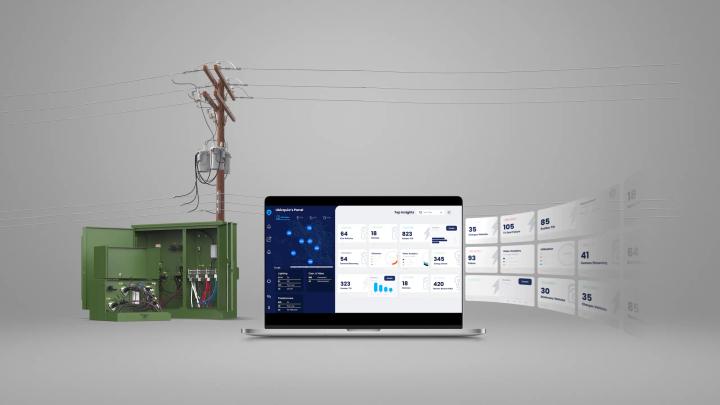
Ubicquia supports this with a managed substation monitoring service delivered through our U.S. based Network Operations Center (NOC). The service integrates real-time sensing, analytics, and human review—helping utilities convert raw observations into actionable operational information.
Monitoring capabilities may include:
- Awareness of activity inside and around the substation
- Detection and trending of wildlife movement
- Identification of abnormal sounds or conditions
- Monitoring of heat, arcing, or other warning signs
- Reduce restoration time and confusion during high-pressure eventsVisual confirmation and context when incidents occur
The objective isn’t more alerts.
It’s a better context so teams can act with confidence.
Supporting Reliability, Safety, and Response
Physical visibility adds a critical layer of understanding to grid operations.
By monitoring conditions over time, utilities can identify patterns that affect reliability, equipment health, and worker safety especially at unmanned and remote sites.
This level of awareness helps support:
- Earlier recognition of developing issues
- Faster understanding of contributing factors
- More informed response and restoration decisions
- Greater confidence for crews before arriving on site
When teams have a clearer picture of site conditions, they’re better positioned to protect infrastructure, reduce uncertainty, and respond safely.
Looking Ahead
As operating conditions continue to evolve, substations can no longer remain passive assets.
The future of substation monitoring is proactive visibility—knowing what’s happening, recognizing risk as it develops, and responding quickly when it matters most.
With the right visibility and insights, utilities are better equipped to protect critical infrastructure, strengthen reliability, and reduce operational uncertainty across the grid.