How Pittsburgh Expands Downtown Situational Awareness with UbiHub and Axon

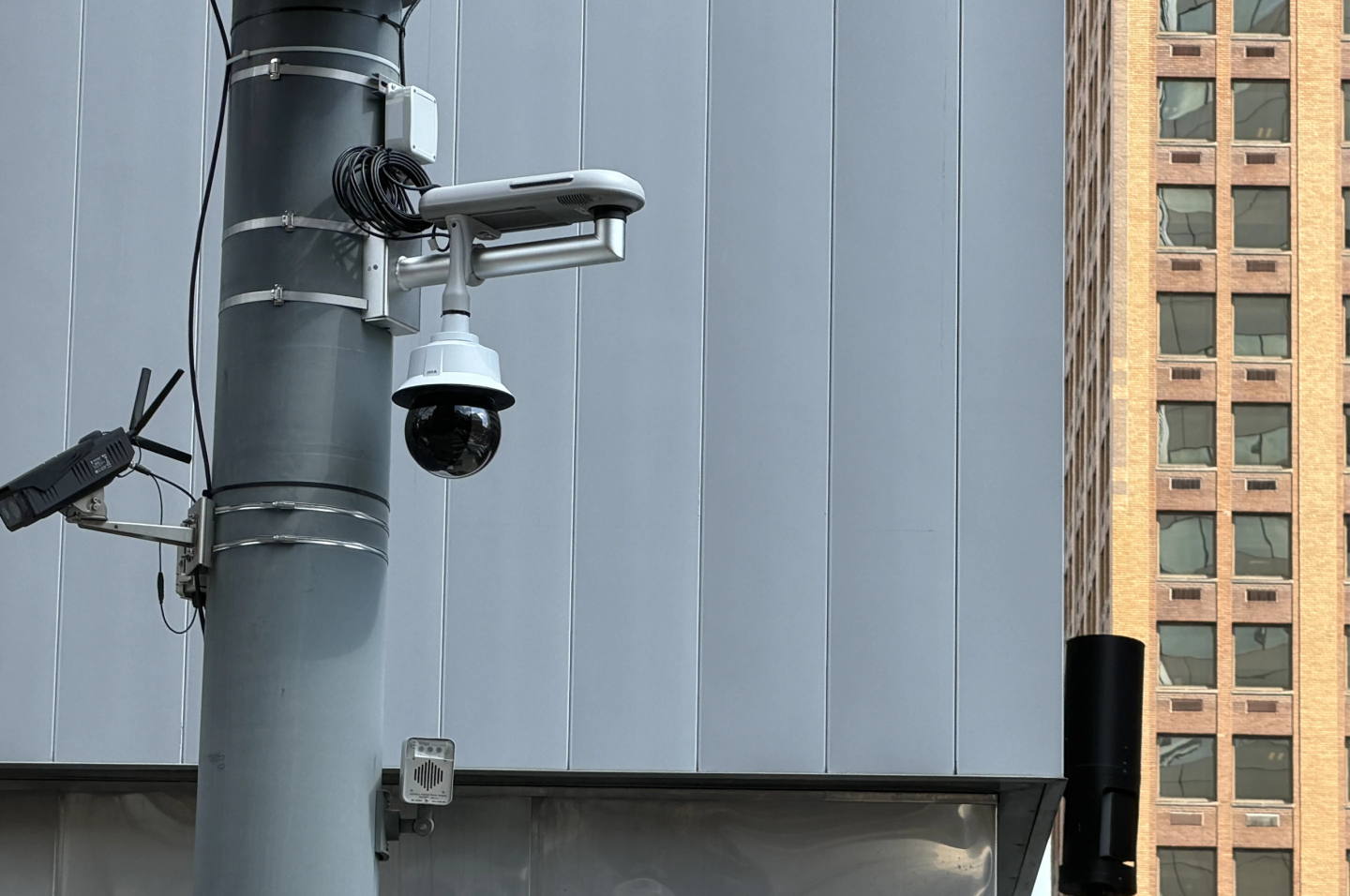
Pittsburgh deployed UbiHub-based cameras on existing streetlight infrastructure to accelerate public safety visibility across key downtown locations — without new poles, trenching, or construction delays.

The City of Pittsburgh uses Ubicquia's UbiHub platform on existing streetlight infrastructure to support camera deployments across downtown locations that needed expanded situational awareness. By leveraging infrastructure the city already owned, Pittsburgh accelerated visibility where it was needed most — avoiding the cost, complexity, and delay of building a new surveillance network from scratch.

The approach reframed how public safety infrastructure gets deployed. Rather than treating public safety technology as a standalone infrastructure project, Pittsburgh's team recognized that much of what they needed — power, elevation, strategic placement — was already present in the streetlights distributed throughout downtown.
The challenge: expanding public safety visibility without breaking the bank

Cities face the same public safety visibility need as private property owners — cameras positioned in the right locations, connected reliably, and integrated with existing operations. But the traditional path (new poles, new cabling, new network, new permits) adds months to project timelines and inflates costs to the point where meaningful downtown coverage becomes a multi-year capital program. Pittsburgh needed a faster, more cost-effective way to expand visibility across key downtown locations.

The solution: existing streetlights as an intelligent deployment platform

Deployment planning identified multiple downtown locations where existing light poles could support expanded camera coverage without requiring new construction. Ubicquia deployed UbiHub technology on these streetlights, providing power, connectivity, and deployment flexibility. Cameras integrated seamlessly — including support for Axon-compatible video feeds — and went live in a fraction of the time traditional deployments would require.

By transforming existing streetlights into intelligent infrastructure, Pittsburgh expanded situational awareness capabilities while avoiding the costs, complexity, and delays of building a surveillance network from the ground up.

What Pittsburgh gained from streetlight-based situational awareness

Expanded visibility in priority downtown locationsCameras deployed on existing streetlights at the exact locations that needed coverage — no compromise between where visibility was needed and where infrastructure could be built.

Faster deployment via existing infrastructureLeveraging streetlights the city already owned eliminated the traditional barriers of new poles, power runs, and permitting — accelerating visibility where it was needed most.

Reduced infrastructure complexity and costNo new construction, no dedicated communications buildout. The platform provided power, connectivity, and mounting on infrastructure already present throughout downtown.

Scalable foundation for future initiativesThe UbiHub deployment supports additional public safety, environmental, and mobility capabilities as needs evolve — with new sensors added to the existing platform instead of new infrastructure projects.

Frequently asked questions

What is UbiHub and how does it support public safety?

How does UbiHub integrate with Axon?

Why deploy on existing streetlights instead of building new infrastructure?

What is situational awareness for downtown public safety?

How much faster is deployment on existing infrastructure vs new poles?

Download the public safety cameras with Axon case study

How the City of Pittsburgh accelerated law-enforcement camera deployment with UbiHub on existing downtown streetlights and Axon-compatible video integration.

Download PDF

More case studies

See all case studies